Resting Bitch Face // Debi Gregory

Resting Bitch Face // Debi Gregory

journal
Resting Bitch Face // Debi Gregory

Debi writes about resting bitch face, the face that won’t conform

Houcine Ncib

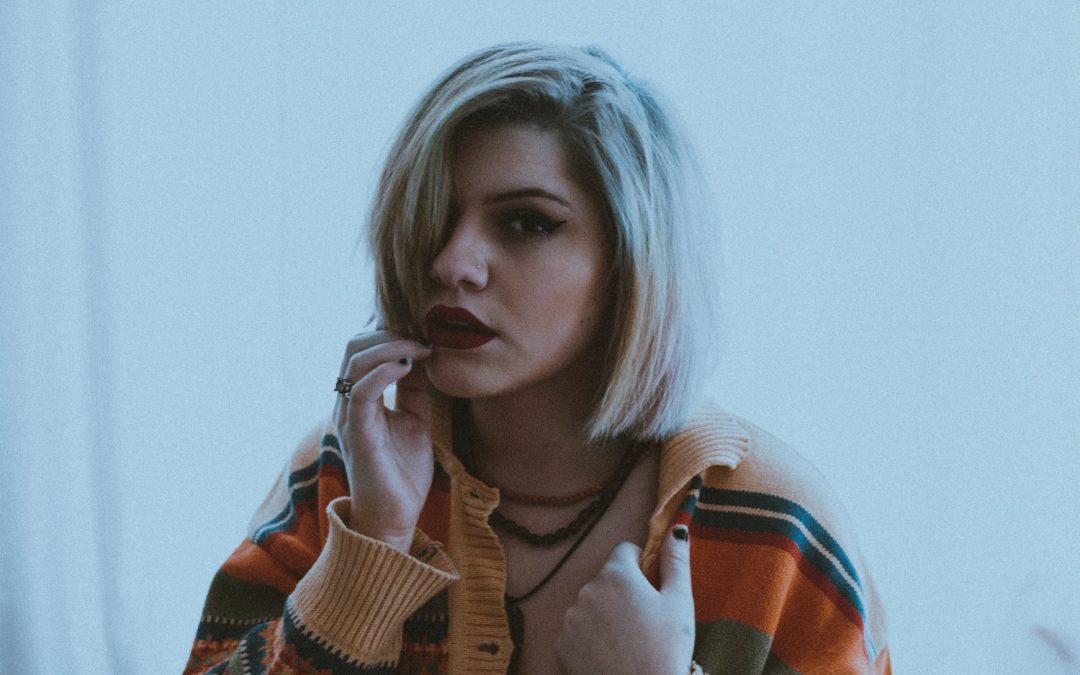
Resting bitch face

Because I don’t soften.

Resting bitch face

Because I don’t waiver.

Resting bitch face

Because I don’t conform.

Resting bitch face

Because I’m not pliable.

Resting bitch face

Because I’m not bending.

Resting bitch face

Because I’m not submitting.

Resting bitch face

Because I won’t yield.

Resting bitch face

Because I won’t quieten.

Resting bitch face

Because I won’t smile.

After all, I’d be so much prettier if I smiled.

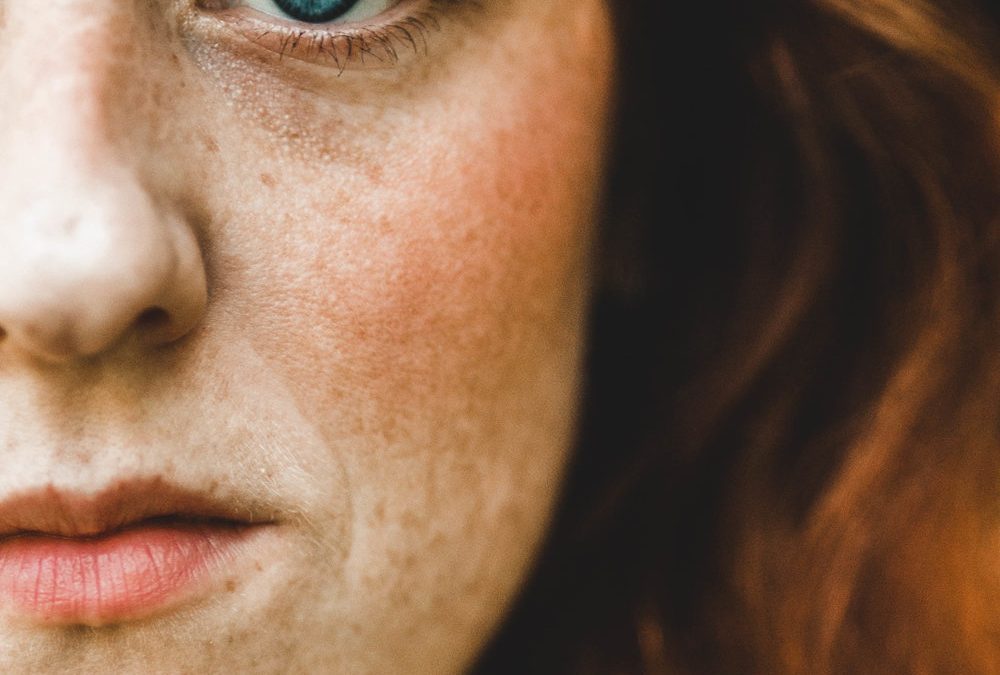
Photograph by Annie Spratt

Little Girls With ADHD: Damaging Stereotypes & Systematic Failures // Calico Boyle

Little Girls With ADHD: Damaging Stereotypes & Systematic Failures // Calico Boyle

journal
Little Girls With ADHD: Damaging Stereotypes & Systematic Failures // Calico Boyle

Calico Boyle explores the damaging stereotypes and systematic failures around the forgotten girls with ADHD.

The Youtube video does not belong to Magical Women and is included in this article to show how ADHD presents differently in girls.

I recently asked some friends to describe a typical child with ADHD. I doubt you’d be surprised to hear that the answer to my question was mostly met with tales of naughty little boys who were unable to sit still, who were disruptive and prone to angry outbursts. Pre-diagnosis I probably would have given you the same answer. This little boy is real, it is likely that as I describe him you are brought back to your own school experiences. We’ve all had a little boy like this in our class.

“But what about the girls? ”

— CALICO BOYLE

Photograph by Annie Spratt

Recent research has proved that ADHD is just as likely to be present in girls as it is boys. So why are girls less likely to be diagnosed in childhood and why is there an alarming rise of grown women getting diagnosed later in life?

One theory is that our symptoms are more subtle. Not everyone who has ADHD presents as hyperactive. Studies have found that girls are more prone to having the inattentive aspect of the disorder meaning they will present differently to their male counterparts.

Instead of being naughty or disruptive, they may be forgetful, easily distracted and careless with their work. I myself exhibit inattentive traits with my ADHD and my school reports echo these symptoms as a common theme. Because inattentive girls are typically easier to manage than hyperactive boys, their parents and teachers are less likely to take action.

Their symptoms are often mistaken for character flaws which they will grow out of with encouragement and correction.

It’s important to note that despite what the studies suggest, not all girls are on the inattentive side of the spectrum. I have combined ADHD. This means that I am both hyperactive and inattentive.

As a child my hyperactivity in the classroom was demonstrated by excessive talking and fidgeting. A good friend of mine who was diagnosed with severe ADHD at the age of 7 presented differently. He would shout, play the class clown and get up when he wasn’t supposed to. As a male, he took up more space, he was noticed and he got the treatment he needed. Little girls who are excessively chatty or forgetful are often dismissed because in comparison, they are seen as less problematic.

Due to the lack of research on the variation of symtoms they are more likely to slip through the net and left to suffer in silence. This systematic failure means that many of them will go without treatment until adulthood while facing a lifetime of critique over things that they have no tools to deal with.

Without intervention, women and girls with ADHD face huge risks when navigating life. An undiagnosed girl is more likely to have to retake her exams whereas a boy with a confirmed diagnosis will be given additional support. A lesser known trait of ADHD is perfectionism so whilst these girls can achieve great things they have to work much harder than their neurotypical peers.

Photograph by Annie Spratt

Recent research has proved that ADHD is just as likely to be present in girls as it is boys. So why are girls less likely to be diagnosed in childhood and why is there an alarming rise of grown women getting diagnosed later in life?

One theory is that our symptoms are more subtle. Not everyone who has ADHD presents as hyperactive. Studies have found that girls are more prone to having the inattentive aspect of the disorder meaning they will present differently to their male counterparts.

Photography by Jen Theodore

An undiagnosed girl will face daily feedback on her shortcomings, she will face frustration at the hands of her loved ones and she will go through life not understanding why she can’t be like everyone else. Because of this, developing esteem issues is highly probable.

It’s not hard to see why so many of us as grown women who are living with ADHD have adopted ‘masking’ as a means to compensate for our symptoms. We are taught from an early age that who we are by default is not good enough. However, masking in this way takes an inevitable toll. 

When our ADHD is overlooked, self regulation and management becomes a greater issue as we enter adulthood. Women living with untreated ADHD are more likely to develop drug and alcohol addictions, eating disorders, low self esteem, anxiety and depression. 

Societal expectations and gender stereotypes are also very damaging when it comes to being a woman living with this disorder. In family dynamics, women are expected to be the primary parent at home, the organiser, the housekeeper, the ones who remember birthdays, anniversaries, bills, shopping lists, home work deadlines and social events.

As we move into an age where we have workplace equality, we are also expected to achieve this whilst holding down a successful career. These are unrealistic expectations for most neurotypical women but even harder for women with ADHD. It’s important that we understand that these gender stereotypes are damaging not just to women with ADHD but to feminism as a whole. 

Photography by Andryko

So what can we do to improve things for the next generation of girls with ADHD? If you have ADHD, you have lived experience. I encourage you to push aside any social stigma and to live authentically. Shout about your experiences, blog, host a podcast, advocate, start a support group and campaign for more research to be done.

Your experience is valuable and by spreading awareness you are opening up an opportunity for people to learn. If you live in a borough with inadequate ADHD services write to your MP. If you are a teacher or a parent and you suspect that a child may have some of the symptoms mentioned, then seek further information because the difference you could be making in a young person’s life is immeasurable. 

Despite this being a lifelong disorder, with the correct treatment you can go on to live a fulfilling and happy life.

Some of the most creative, entrepreneurial and charismatic people I know have ADHD and it is an honour to call them my friends. I speak as one of the women who were failed at the hands of a system that was supposed to protect me.

I have overcome adversity, pain, loss and addiction but I promise, it does get better. After 35 years of masking I will no longer hide in the shadows. I am here, unapologetically to speak out as an advocate for the women who were failed and the next generation of little girls who deserve more time, research and intervention.

Never Will I Be the Same Again // Rowlands and Abbott

Never Will I Be the Same Again // Rowlands and Abbott

journal
Never Will I Be the Same Again // Rowlands and Abbott

Transparent look at being a survivor of violence – being a survivor of violence carries its own vocabulary if you need trigger warnings, this goes above and beyond one.

Text by Elinor Rowlands

If Survivor of Violence is a trigger warning for you then this is that kind of piece but here at MW the Survivor and language shouldn’t be the trigger, the trigger should be the way survivors are treated and demonised because never will I be the same again.

Never Will I Be The Same Again

They hate survivors, by the way.

They hate you – they think you’re – they’ll call you manipulative and like you’re therapising the group with whatever you touch or describe because your tongue is dirty now

It’s grubby

It taints art

And people.

But if they like what you’re saying they won’t hear it come out of your mouth.

They’ll say to someone else “Yeah wow it’s like…” repeating your words in the same way out of their mouth and everyone will hear it and be like wow yes

But those were my words, and I just said that.

Btw. in case this is already resonating with you: 

You’re not – by the way (manipulative) though they’ll attempt to say you are until you’re black and blue.

They’ll say you’re controlling 

Controlling all the time. 

That you are, because when your world has been controlled by another in a way that breaks you every day, then you can’t… let spaces be without uncertainty for time… people place I need to know intentions, transparency

Because I’m already locked up in a glass case.

Because we already have a wall between us

Because breathing isn’t something I do very often.

 they’ll watch plays about rape, women having breakdowns, women getting beaten, they might even call for equality and diversity, hidden voices, voices unheard.

They’ll campaign and advocate

They don’t understand that the surviving woman of violence

Is the voice they’ll hate the most and no matter what they advocate because you’re a neurodivergent woman they’d rather you shut up.

PTSD does not need to be diagnosed

My crying out of nowhere or the way I react, over-react, cry, cry, cry

Is seen as

Unprofessional

Hysterical

Crayyyzzeeeeee

Cray cray cray

Inability to form relationships

Let people get close

Pour your heart n soul in others

Gotta love yourself first

Perhaps I do love myself,

That’s why I cry, when you don’t listen

That’s why I cry, when you don’t have time

That’s why I cry when you interrupt me smiling with your patronising smile and you’re

“ah.. Hmm.. yeah.”

or

“yes, yes… anyone else?” 

That’s why I cry when you’d never cry

Perhaps I cry for the world of voices squeezed out by your narrative with half truths, half songs, half whispers for BLM and women. 

But you don’t BLM or like surviving women. 

“It happens to men too. .” you chorus. “Worse for them actually”

Because it happens to everyone else because everyone else is surviving too 

But they’re not being pulled up on their crying or behaviours or traits and I am…. So that’s why I’m

Never will i be the same again

are you trying to say i shouldn’t open my mouth?

and here you are:
Being mean and nasty and pointing at me and

Parroting off my Neurodivergent traits:

Okay… so why are you here? Why write such awful things to me – haven’t I paid you? Haven’t I put you in a magazine and paid you £75, when you complain about Outside In who haven’t paid you at all. 

And now you’re slagging me off 

Being super nasty 

And being super awful 

And just being 

Being being awful 

(anti autistic)

You say you’re passionate about autism but you’ve just slagged me off about my autistic traits and demonised me in the letter…. you’re treating me like a neurotypical person even though you’re in the wrong for not being transparent and for thinking you could profit off my naivity

Yes I’m naive but I can also lead

they’re two different things

They don’t tell wheelchair users to get up and run – but they burn holes in our skulls for not behaving like them even though we say it loudly again and again we are – I am autistic and ADHD

even my mum said “disability is just so wide but no one understands autism and ADHD it’s the most demonised of them all because they misinterpret your behaviour all the time. and they don’t think or even realise it but they’re blaming you for your behaviour which is a direct trigger or reaction to them not being transparent, explicit or doing the tasks you asked them to carry out.

I cry loudly down the phone to her:

But they’re just so Nasty cruel horrible to me 

Your email: how dare you use your heart condition as an excuse. (I didn’t, I told her I was really very sorry but  was very unwell and have a heart condition and it’s Covid19 and I was very dizzy with vertigo so couldn’t facilitate that day, I knew it would ruffle her feathers but not to the point she’d violently beat me up with words. 

(yeah, words hurt, as much as sticks and stones, and she beat me real good, with a bat as I’m down on the ground, she caved in my head.) 

I cry for me.

And for me

And for Gem, who didn’t experience this in 2017, when I’d invited her to be in my play about it. (Way to the pretty). 

She saw a man get violent in front of me and though she murmured, he was inappropriate to me, and was always and has always been an ally it took until she was a survivor too for her to delete him and realise the extent of his violence, and so many more people’s violence for that matter.

“I get it now” 

She always got it – that’s why I don’t mean to patronise her or any of you back, but until you’ve been violated 

Had violence poured all over you in equal measures 

Then it dawns on you.

He was at the play

about surviving rape and courts

and a court case that ripped you apart

and now you’ll never will i be the same again

and he watched that play

and had raped her too. and been violent. and been violent. and he had watched my play.

I feel guilty for casting her in it.

Guilty

(yeah, words hurt, as much as sticks and stones, and she beat me real good, with a bat as I’m down on the ground, she caved in my head.) 

I cry for me.

And for me

And for Gem, who didn’t experience this in 2017, when I’d invited her to be in my play about it. (Way to the pretty). 

She saw a man get violent in front of me and though she murmured, he was inappropriate to me, and was always and has always been an ally it took until she was a survivor too for her to delete him and realise the extent of his violence, and so many more people’s violence for that matter.

“I get it now” 

She always got it – that’s why I don’t mean to patronise her or any of you back, but until you’ve been violated 

Had violence poured all over you in equal measures 

Then it dawns on you.

He was at the play

about surviving rape and courts

and a court case that ripped you apart

and now you’ll never will i be the same again

and he watched that play

and had raped her too. and been violent. and been violent. and he had watched my play.

I feel guilty for casting her in it.

Guilty

Gemma performing at the Minories Gallery, Colchester

Guilty

I’m guilty of being Neurodivergent.

It’s hard for you to get but see a crying body face soul as 

Pathetic, unfit, unprofessional, not well. 

Not well. 

Not fit for purpose. Can’t function. Isn’t human.

Reflections:

Maybe, I cry

 To protect me against your hate

Your hierarchy

Your shaming ways

Your exclusion (though you champion equality, diversity, justice, liberal left wing ideals, etc though, etc, though, etc, though.) 

Oh god here we go again

Oh god this isn’t disability this is cray cray cray

We’re professionals not like you who sits on grass like dew.

Articles are written that tell us to be trusting

To be vulnerable

To be caring and kind

To say yes yes yes to everything

To gush

To be attentive

To be passionate

To contribute ideas

To say YEAH, let’s make.

But they speak about autistic people as if they need to overcome the struggles. 

Don’t talk to me as if I talk about struggle. 

Talk to me as if I am you’re equal. 

You can’t. 

(Game plan: They don’t mean the above, (as in above above)  unless you can do it in the way they want it)

Soooooooooo Never will I be the same again.

Never will I be the same again

After you hit me in the playground

After you called me names because I asked to play with you the wrong way

Never will I be the same again

After you told me to show my wee wee to prove I was a girl on the school bus

You teased me and your sister telling us both we weren’t girls

You were her brother making her show your vagina to you and you now have a daughter. That’s fucked up. 

You told me to turn my face away in school because URGH you’re so fucking ugly.

You told me my name and asked me without letting me answer you, why I always do that, why do you always have to ruin things?

What things? I want to ask  but it took 20 seconds for my mind to catch up and by that point you’d turned your head back to the blackboard and I didn’t know how to answer you 

(these are all different people, but they are all men/boys) 

What do I do

You ask to be stop me using my eyes to look to see to … use them as they were given to me to use. 

Stop staring

I’m not I beg to tell you I’m just looking sorry I won’t look. I’m not sure what I’m supposed to do now, I stare down now at the book of words I find hard to read as is but Mum forces me to read, I have no choice but to read, 

So what do I do when i am told I am wrong 

I am not good at what is easy to them in a body behind skin blood bone 

 to do anything I do, how my body moves is wrong

At home I’m too fat, my body needs to be skinny

Or I’ll be at fault for my clubfoot’s pain. 

Which is why and what my swimming teacher says she’s marking me down in swimming for

As it’s not fair to the others, is it Elinor? 

They can all do the crawl and so because , just because your foot can’t flex, doesn’t mean we mark you differently, we mark you down.

But I’m the fastest swimmer in the class.

She shrugs.

It’s not fair if I give you a high mark because the others can swim the crawl and you can’t and that isn’t fair is it?

But I have a clubfoot, my foot doesn’t flex.

Exactly, so I’m having to mark you down.

But that’s not fair.

No, but it’s not fair on the others if I give you a high mark.

But apart from the crawl I can do every other stroke and I’m the fastest in the class. 

There wasn’t a special olympics in my day, in the country I grew up in.

Maybe life would have been different if I’d gone to an SEN school, learnt in ways that excited my brain and my heart and I wouldn’t feel like there was so much more I should be doing with my life, instead there’d be simplicity, 

 Or the time I said to the Dance therapist during placement how I liked hanging out with people with Downs Syndrome in Wales because they are good dancers, many of them, And he corrected me and began to patronise me that they were individuals and not all of them like dancing. He made me feel very small – but he was being patronising because he’d never dream of hanging out with them – they were just his patients or clients and I stared through him, losing respect for him, oh I said, well all my friends with Downs love dancing. 

And he was the fucking Dance therapist for goodness sake, I was trying to be complimentary of his profession and his work. Instead it ended with him making me feel like an awful human being, and like I should top myself (RSD).

Then he said, Friends? 

I nodded. Yeah. Friends. 

Because that’s when I saw it – the break in his humanity. 

We can’t be friends with Downs but we can correct people for saying they don’t all like dancing because we are social justice types but we pick people apart to make them feel small by being social justice types. 

Do you ever write down what you’re going to say before you say it?

She asks me for my notebook.

I see her breathe as her shoulders, throat and face relaxes, breathes, strains, heavy, looks on

You write beautifully,

You write creatively on the lines

But here in the corners sound like conversations, like every day ones… you’d say to the waitress? 

Cocks her head to the side. 

Never will I be the same again. 

She hands the book back, before reading out what I’d said to the waitress earlier.

They’re what I have practiced to say, whenever I’m asked to introduce myself.

In classes, courses, meetings, helps me keep to the page, but I don’t I go off page and don’t do it right. 

And the waitress?

I didn’t know how to pronounce the word so spread it out with gaps so I could spell it out easier.

Never will I be the same again

When I was made to do things against my will

When I let you because I wanted to please you and didn’t want to be rude and I kept saying no but you wouldn’t stop and you knew I was scared but you knew I wanted company but not that kind of company.

Never will I be the same again

When you saw me crying and let me run through the corridors, outside and crying

When you were my boyfriend and I asked why you didn’t run after me and you shrugged and said that kind of behaviour was over the top behaviour 

I was in distress 

No you weren’t. He told me. 

Or that time I was tired and wanted to sleep and the others wanted me to go on to the night club but I have fatigue and needed to sleep and you kept pestering me to go and I said to you that you should go and you said no you were going home with me but 

I wanted breathing space, I wanted to sleep 

But you came home with me, we watched TV, I was tired and needed to breathe. You came home with me but wanted to be in the pub and nightclub with me 

And I wanted to sleep in my bed. 

Did you 

Did you 

You did didn’t you 

Yellows the barrister – yells it loud and loud 

I didn’t realise he’d lie, I realised how idiotic that sounded about a year after it happened. (a rapist, lying? ) well i thought, you know, i just thought.. I was about to say he’d tell the truth 

But i catch myself 

Because i realise then that i am stupid

It’s a revelation of sorts. 

That I’m slow. I’m stupid 

But it’s easier to demonise us who went to mainstream school deemed too bright for SEN but I need and want a community centre to do puzzles, and eat sandwiches, and play pool and paint in an art studio and exhibit and make art and show it world over 

i’ve written so many times to SEN communities and all have slammed the door in my face and said …

well they didn’t reply.

nor did UCL autism centre, or any other academics who say they’re dedicated to women and autism.

But I shudder stutter 

I annoy yell rutter

I mutter tutter 

I am 

I am 

Never will I be the same again 

I haven’t read a book in 4 years. 

I am tired. 

My eyes are cross eyes, astigmatism glory, 

Knickerbockerglory 

But your knickers were in the bathroom 

Oh 

I don’t know I can’t remember 

My mouth is burning the crowd is looking at me 

Never will I be the same again 

Rape survivor 

Not victim they say, but i was a victim, I am also a victim to every single neurotypical I come into contact with 

Every blaming email 

Every long worded letter that accuses me of (being too autistic and too ADHD) but in their words it’s all the traits and behaviours of autism and ADHD… so….. maybe they’re stupid?

(They sound it – says a friend, I mean, they’re treating you like a neurotypical, expecting you to be a neurotypical whilst supporting you as an autistic person….. that’s thick as pig shit.

that’s disgusting

i mean, another voice pops up – it’s pretty …. insulting actually.

Or the support worker who accused me of being too slow and never being ready in the morning because i’d needed her help but she was too busy smoking weed outside and then made a complaint about me not having lunch ready when that too was her job to pack the lunch and call the time to eat, because I forget to eat and don’t eat.

it certainly reads stupid.

(and that the whole world is out to demonise autistic people… autistic women).

You’re rude and how dare you do this and how dare you do that (their voice)

How dare you accuse me (their voice)

I’m not accusing, I’m pointing out you weren’t transparent – it’s as if they forget the paper trail evidence. 

You failed me and I can’t work with you because you’re not transparent. Did that warrant a full blown longest email ever from you tormenting me for my autism and ADHD and disability because you didn’t make explicit your costs or your hours 

May I point out to you how completely Unprofessional you are. (their voice)

My voice:

It was you who didn’t do the work 

Who wasted our time 

I’m telling you the truth 

Why are you making it personal being nasty ganging up on me with your anger 

When you know I’m autistic and I’ve probably got a lot of trauma from receiving these threats (because they are let’s face it, anytime you think you’re better than someone else and telling them they’re crap – you’re basically saying, you’re crap, I’m great and you should be so lucky. Then threatening me because I can’t do human being because I’m autistic.

Well….. We don’t want you because you don’t work well for my autism. Does that warrant death threats?

(They weren’t death threats)

No, but they made me cry.

They aren’t listening they’re just slinging dog poo at you. 

What’s it like having dog poo thrown at my face? 

It’s f***ing disgusting that’s what it is. 

And you’re the one who’s wrong, I’m very clear, it says so right here – I find all the paper evidence in the paper trail  but they think their lies can redeem themselves. They tell my assistants to go look in the paper trail…. Where it clearly shows that they’re in the wrong. But instead of identifying my memory for details (because I’m extraordinary) they 

Rattle rattle like that. 

My mouth is burning 

The crowd is staring at me 

Like a child, my child self was called Cry Baby all the time, every day from when I was 4 until I was… hmm 11? 

7 years of being called Cry Baby every single day at school. 

Pleasant memories. 

I’m now Cry Adult 

Always crying 

Stupid stupid 

Eye rolling 

Slow 

I dreamed of going to a SEN autistic only school 

I saw a C4 documentary on it when I was 15. Mum this is me. 

She knew it yes but couldn’t say it. 

Because all the doctors had told her I was too intelligent to be autistic when she brought me as a baby because she knew I was autistic. 

I still remember the way he wiped his hands against the sides of my body to feel up my breasts. 

I still remember the way I was locked in the classroom by the teacher, making me late, and she’d almost forgotten to let us out but had remembered halfway to the teacher’s meeting (I couldn’t find the sleeve in my coat) 

Or the time, I couldn’t find pens in my bag. 

Or lost my passport in Rome and forgot my bag in the taxi after securing the passport 

Or lost my keys in my hand and looked everywhere for my keys and then only when i wondered what that sharpness of metal was in my hand realising then that 

My key was in my hand. Never will I be the same again. 

Stupid 

You just need to have more confidence in yourself 

If only elinor tried harder 

She isn’t living up to her potential 

Elinor should listen more 

It never happened did it 

You’re a liar 

You’re a liar 

Pants on fire 

Pants on fire 

Just die already 

Just die already 

Just die 

Never will I be the same again…

and you can’t stop talking the words are out

they’ve escaped

and they won’t stop

but they’re not heard because you’re an autistic woman survivor and people don’t respect or care for autistic women survivors of violence.

I don’t need to overcome anything. Nor heal. But maybe, you need to change the way you listen to us? Change the way you organise, read our access forms. 

Change the way you expect us to meet you on your terms?

Maybe you could try to make space for us?

And if the answer is still no. I’ve got a tribe. I’ve got a tribe. (or so they tell me I do.)

I listen and pay attention to the moods that sway in my brain and print in my body 

I open my eyes and know there’s something better than this 

I’ll just push on 

I’ll just push on 

I’ll 

By Elinor Rowlands 

Text by Gemma Abbott

The hardest thing so far

Has been realising that it doesn’t go away

That you will always be left needing to do the work

It takes

Just to get out of bed in the morning

Just to feel like you deserve to have another day.

And that

They probably don’t even think about you

Not day to day

You are in the past

A discarded possession

But they are in your present

They are still hurting you

Every single day

And it is exhausting.

I don’t sleep well any more.

Every little noise on the street is a worry,

Because he knows where I live

Because at night

He knows I will be home

Alone.

And I worry

Because I know how much he could hurt me

If he wanted to

Because he has

Because he had the power to kill me

And I felt it

And I would have been able to do

Nothing

And now he must hate me even more

I worry

I should have just kept my mouth shut

But

It was hurting me to do that

It wasn’t keeping me safe any more

But that’s the trouble

Talking about it doesn’t feel safe either

Because he was so good at making me feel worthless

I can only assume that everyone sees me the same way

That my truth is worthless


And every time I talk about it

It puts me right back

There

Dumbfounded and numb

And frightened for my life

And so so completely crushed

By the loss of self and the loss of trust and the loss of the love that I thought was there

And it is exhausting.

Constantly being in a state of reacting to crisis

Flight flight flight but lost and arms flapping uselessly

Wearing concrete boots

Fixed in time and place

The awful blank space

That means I cut off completely and hid

So far inside myself

I’m not sure I’ll ever come out again

To fight

To fight

At first

Felt like it was sited in ignorance

Denial

Of the scale of it

And when you have spent your whole life learning how to mask your pain

Your mistakes

Your shame

It’s so easy to fool everyone into thinking everything is ok

Better than fine

Can’t complain…

I wasn’t prepared for it

And it was so calculated

Systematic

The breaking down of me

Did he watch the performance I did

About survivors

And look at the disgusting statistics

About the lack of justice

And deep down feel confident he could get away with it.

Even I hate to think it

And I am so ashamed of the compassion I have for him

And at first I thought

Hopefully we can still be friends

Because I can’t believe I was so disposable to him

Except I know I was

Just a clearly dissatisfying object in the end

But hopefully we can still be friends…

Because maybe pleasing him will protect me?

But he told me to disappear

Vanish

And that is what he wants.

To destroy

And leave no trace.

And there are all these fun things that I can do now

And all of this work I can make

I can dance and paint and draw and write and sing and dance and laugh and dance and dance until I drop 

And all of these wonderful folk who can distract me

Make me feel safe so long as I fill my time with them

And

Keep myself from staring into the mirror at my own angry terrified tearstreaked screaming face

But it starts to leak out at the edges

Eventually

Eventually

It gets you in a chokehold

Pins you down with all its weight

It tells you to say you are a filthy whore, a bitch

And the moment comes when you either give up

Or stop clamping your jaw gasp for breath

Finally say

No

Finally verbalise

And the words

Just spill out  

And once they are in the world

You cannot stop them

But that doesn’t mean you have exorcised the damage

I really hoped that it would

Once the words are out there

You have to take responsibility for them

You cannot just bring them into the world

And then abandon them

I had hoped I would feel more protected

And people have been surprisingly good at listening

Mostly

But there are a few

Who don’t want to believe that they were friends with a fiction

And

I can see how that is hard

Maybe he was right

Maybe I am the problem

Why cant I just get over it

Look the other way

Stop inconveniencing people with the uncomfortable truth

And at the other end of things

The idea that to spew out the words that were poisoning you

Is an act of bravery

When it just feels like an awful fear driven necessity

To be attached to that word in this instance

Feels shameful

I cannot reconcile it with what I have done

Because

Never

Will I be the same

Again

I would like nothing more than to put this behind me

But

He murdered so many things in me

But they are still festering

Attached

Like a rotting extra limb.

And even if I try to amputate

I will still feel it’s ghost

Whereas he

Was just trying me on

And walking about in my skin

Until he got bored

Or it didn’t give him what he expected or wanted

So he peeled it off

Put it in a shoebox under the bed

Because he didn’t want it any more

But he didn’t want anyone else to have it

Especially not me

And he really didn’t want anyone else

To see

Who he really was

Or what he had done.

So I stand on the edge

Of an endless

Dark sea

An ill fitting human

Longing to go home

To find her selkie skin

To be able to be my self again…

But it doesn’t fit me any more

I cannot stop crying

I cannot rest

I cannot see how to move forward from this place where the salt gets into my open wounds and they wont stop weeping

Weeping….

And I can’t stop talking now

Because it’s all I have left

And Never will I be the same

Again.

by Gemma Abbott

Both Rowlands and Abbott are Neurodivergent Survivors of Violence. This piece is in production but we thought we’d share its progression.

I cannot stand by and watch this happen any more. How can I make them see? // Gemma Abbott

I cannot stand by and watch this happen any more. How can I make them see? // Gemma Abbott

journal
I cannot stand by and watch this happen any more. How can I make them see? // Gemma Abbott

Gemma Abbott writes about why discrimination against Neurodivergent women artists must end now.

2020 has been an interesting year so far. And watching from a distance, from within the walls of our houses, has helped to clarify some things. It has made the unacceptable unavoidable. We have been given the space to really think on both a global and local scale and the lockdown has been perforated deafeningly with stories of injustice. When placed so firmly on the doormat of our own houses we have had to face up to these issues.

My neurodiversity is always a problem for neurotypicals. Particularly for neurotypical people in the music industry and the arts. It’s not a problem for me because I can do the work, often to a prolific scale, but I struggle without effective access and I struggle without trust. I struggle without the corridors and the bridges.

In a Mezzotint music video

Gemma performing during Lockdown

People en masse have finally started conversations about how to be visibly anti-racist. And let’s be real about this, it is not about time…It really is far too late. But perhaps it is better late than never. Thousands of us took the knee in protest and listened to the raised voices of black communities both locally and globally. And there is still so much work for us all to do…but also there are valuable lessons we should learn.

In Belarus the streets are filled with people who are so hungry for political change that they will risk arrest and torture. And the new rules for living set out by the pandemic mean that governments are having to take swift and practical measures when COVID comes up against long term social problems like homelessness and the migrant crisis in Europe. So many more of us are engaging with activism on a daily basis. How can we apply this necessary zeitgeist to other injustices as we all fight for a fairer world?  

Can we take these lessons and extrapolate them out to consider how we might tackle the systematic ableism inherent in our society? Especially when it comes to neurodivergent folk who might not look or behave disabled in a way that offers an ‘obvious’ path to accommodating their needs and removing their barriers.

How do we become actively anti-ableist?

Very often it starts with language. It seems pretty obvious but adapting our terminology can be an enormous first step in any egalitarian battle. Back in the depths of lockdown, the streamer, comedian and autistic human Ian Lane made a video essay in reply to the behaviour of another streamer, Xanderhal. It explained how labelling odd, annoying or irrational behaviours, people or things as ‘autistic’, usually accompanied in this case with a sly snicker, was indeed an ableist slur. It seems more common in America but with the rise in popularity of streaming during the pandemic it is important to challenge these verbal tics before they become normalised.

Gemma performing at the Minories Gallery, Colchester

Because words are not harmless.

Because words are not harmless, executing the belittlement and derision of people by associating them with a neurodivergent diagnosis and therefore portraying that disability purely with negativity is not harmless.  So if you see this behaviour, actively challenge it. If you behave like this, stop. And most importantly, if you don’t understand why it’s a problem…please ask. Don’t be frightened to have the necessary conversations required to make change happen.

We then need to consider assumption, aesthetic and expectation. What does neurodivergence look like? Honestly, it is hard to tell just by looking. We will not all conform to your Rainman, Beautiful Mind or Manic-pixie-dream-girl stereotype. We cannot be easily classified or funnelled into categories; each person’s neurodivergence is their very own.

And it shouldn’t be, but that is a big problem. Because if you have learned to be good with people, if you are productive and creative, if you are charming or sexy or witty, your disability can often be patronised:

Wow, you don’t seem autistic?… You don’t seem to let it get in the way… But you’re not as bad as…

And none of this is useful. It doesn’t ask any questions that actually solve any barriers, it builds no bridges of understanding and it works on the premise that we would rather be ‘normal’ because that would obviously be best. In fact, it congratulates us for ‘passing’ as ‘normal’, fitting in, conforming. It works on the understanding that disabled people can have none of the above ‘positive’ traits.: And it pits us non-consensually against other disabled people, fitting us into some kind of hierarchy of acceptance defined by neurotypical standards of comfort and societal organisation.

Or worse. It can go ignored. Because you fit in well enough you are expected to operate within a neurotypical framework that doesn’t account for your needs, until something happens and suddenly you become an inconvenience or a disruption. No empathy or understanding is extended to help deal with the barrier you have met, you seemed fine until then…but now you are a problem.  And you will be dealt with as such, with no consideration for the fact that you are disabled.

And unfortunately this situation is generally amplified by the genders we present.   

Which leads me onto the hardest part of this argument, because it brings me to my own experiences and makes me acknowledge the moments when I could have done more myself to be actively anti-ableist.


All too often I have witnessed neurodivergent women being painted in a negative light for their traits. We are lazy, bitchy, emotional, confusing and often described as  ‘too intense’. And because neurotypical society expects us to be ashamed of this we very often apologise and cower and blurt out our particular traits and challenges in incredible detail. I could name a hundred times I have been belittled or passed over for opportunities and apologised for myself while it was happening because of my ADHD and also because I present as female with every ounce of the impostor syndrome many of us seem to carry.

Gemma being directed in a short video piece by Elinor Rowlands

And here is the kicker. Fundamentally people don’t believe or believe in us. Because people do not trust us, they either do not listen to this honesty or do not think that we know ourselves. So when we overcommit, talk over other people, when the words just wont stay in our mouths, when we speak plainly, when we are insistent, hyper focussed or release an outburst in a moment of overwhelm we are punished.

In tears and howling with pain.

Because despite being clear and open about her autistic traits to people who pretend to understand neurodivergence, she is ignored and then villianised for the very behaviours that she clearly outlined she displays. People who are supposed to, and paid to, help her meet her barriers and thrive often abuse her disability and then place the blame at her feet. I have listened to their terrible damage and tried to help as much as I can when she has been hollowed out by their hatred.

I have had the most incredible neurodivergent woman I know on the phone to me in tears, regularly, maybe once every two months. In tears and howling with pain.

Gemma follows the signs

I have witnessed the same sorts of neurodivergent behaviours in (often white) men being described as renegade, mercurial, eccentric or virtuosic. Not always of course, but usually greater allowances are made and greater respect is paid if you happen to have been born and continue to identify as a man. This coupled by the general rule that boys tend to get diagnosed earlier on in life than girls/women means that we can be set at a disadvantage medically, often developing problematic co-morbidities with anxiety and depression that can present so much more profoundly than if we had been granted our answers, and the help that can come with them, much earlier on.

And what if you are neurodivergent and black, or trans, or non-binary?

Well then you are deemed so counter to the prevalent culture that it can sometimes illicit an almost murderous rage. And this awful truth is unacceptable in modern society. We have to do better than to allow this as human beings. I have to take a stand. That is why I must write this appeal for you all to be actively anti-ableist.

And what happens when we have made headway with everything I have written about above? Once we have dealt with these ableist behaviours we then have to wrestle with the intimidation phenomenon.

Literally, the way our brains work differently is frightening when people don’t seek to understand us.

Nobody seems to talk about this, perhaps because we don’t often make it that far in individual cases and it seems a long way off as a general rule. But the intimidation phenomenon is real and can often lead to us being pushed aside from positions of leadership or extract us from situations where we may be able to conceive and implement practical change.

Because suddenly the way we think sideways, or upside down or around things becomes a positive.

“As my great friend (and divine neurodivergent artist) Elinor Rowlands puts it “We think in a different language” socially and imaginatively. This can be frustrating for us when we are trying so desperately to be heard and understood and it can be intimidating for others that don’t seek to understand it.”

— GEMMA ABBOTT

This can be frustrating for us when we are trying so desperately to be heard and understood and it can be intimidating for others that don’t seek to understand it. 

But we shouldn’t be frightened to take pride in knowing that language.

We should wear it on our sleeves like a beautiful corsage.

The very fact that we think and speak in a different language gives us an imaginative power unknown in the neurotypical sphere. We can make links and connections between things that would never occur to a neurotypical mind. We can complete task others may take days to manage. Different things are obvious to us and this alternative perspective is valuable even if it sometimes requires an interpreter. And if only we were trusted with this, my goodness the things we could achieve would be wonderful. But so often we are not…we are seen as a threat, or as a risk. 

So often neurodivergent individuals move through life like it’s snakes and ladders…with no working ladders. This is not an uncommon experience for many disadvantaged groups. But because our ‘difference’ can often be quite invisible, or even romanticised, we need to push ourselves forward more assertively in the quest for an equal footing in society or risk remaining lost.

So I am incredibly thankful for the loud keening of the black community, for the folk spilling in great numbers onto the streets of Belarus, for the people sending masks over to the displaced migrants in Greece. They have given me the courage and the terminology to stand in solidarity with them, to aim to lift them up at the same time as I try to take a more active role in seeking to address the unfairness in our society that is levelled at neurodivergent people. 

Gemma Abbott performing

And what happens when we have made headway with everything I have written about above? Once we have dealt with these ableist behaviours we then have to wrestle with the intimidation phenomenon.

Literally, the way our brains work differently is frightening when people don’t seek to understand us.

Nobody seems to talk about this, perhaps because we don’t often make it that far in individual cases and it seems a long way off as a general rule. But the intimidation phenomenon is real and can often lead to us being pushed aside from positions of leadership or extract us from situations where we may be able to conceive and implement practical change.

Because suddenly the way we think sideways, or upside down or around things becomes a positive.

Perhaps having these conversations concurrently and intersectionally will help make sure that the neurodivergent community can not only be protected but also truly take part in the problem solving economy of ideas we will need to build in order to survive in our harsh new post pandemic, post Brexit, climate emergency future.  So in the same way that I hope you will continue to be actively anti-racist I also hope that you will go on to challenge ableism when you see it out in the world.

Support your neurodivergent family, friends and colleagues practically and whole-heartedly. Don’t be frightened to ask them what they need.

Or even better,

To really,

Properly,

Listen.

All photos by Gemma Abbott show her live art performances. Gemma is the Founder and Editor of @Unfamiliarlab, is a Magical Women artist and is lead singer/performer in Mezzotint.

Sia – Why we need to start trusting autistic women

Sia – Why we need to start trusting autistic women

journal
Sia – Why we need to start trusting autistic women

2024: Elinor Rowlands tells the arts and music industry and the current cultural landscape why they need to begin trusting autistic women/folk.

There is something truly fundamentally wrong when we cannot name Neurodivergent leaders in the industry who are women/womxn.

Yet there are many, they just haven’t been given the opportunity, space or platform yet.

My residency at Drake Music is extremely rare because I never get chosen at interview – I get to lots of interviews off the back of my applications, but when I am interviewed in person, so many neurotypical panels can see something in me that I can’t and I flounder and sometimes go mute. I trip up on my words and the block between my mind and my mouth is like a room I can see in an upstairs apartment building but simply can never connect them. There is no corridor for the words or messages to go down.

But I can do the work.
am that person in the written application.

But so many people can’t trust words, they need to see the human form. But they’re disappointed when they meet the human form. It’s not how they expected a neurodivergent woman to be.

That is why my residency at Drake Music is so extremely rare because I was chosen after they met me in person, twice, once in a room and the second time over Skype, and a third time on the telephone.

“My neurodiversity is always a problem for neurotypicals. Particularly for neurotypical people in the music industry and the arts. It’s not a problem for me because I can do the work, often to a prolific scale, but I struggle without effective access and I struggle without trust. I struggle without the corridors and the bridges.”

— ELINOR ROWLANDS

My neurodiversity is always a problem for neurotypicals. Particularly for neurotypical people in the music industry and the arts. It’s not a problem for me because I can do the work, often to a prolific scale, but I struggle without effective access and I struggle without trust. I struggle without the corridors and the bridges.

Photograph by Joanna M.

Sia & Trust

Charlotte Colombo wrote a brilliant article about Sia ‘s new film in the Metro on Sunday 22nd November:

“Like her costume, Maddie Zeigler will be able to remove her autism after a long day on set and continue to live her neurotypical life. People on the autism spectrum can’t do that. When I’m having a meltdown or experiencing sensory overload, I can’t just take my autistic costume off. I have to live with it.”

This Lockdown, Drake Music experienced me in severe meltdown. They have experienced my voice raise octaves. They have not always trusted me, but they are open to learning and I am still here in my residency with them though it’s been a struggle for both of us sometimes, because they are neurotypically led and I am neurodivergent. We clash due to language barriers and my barriers with emails, thinking and technology.

I had applied to do this residency to get out of my bedroom and travel nationwide to meet and get to know them, their partner organisations, people and projects. Instead, Lockdown forced me back into my bedroom and meetings were often regimented to time limits and the flow of expressively free working did not occur as much as craved. But, they recognised I was in distress and experiencing barriers and organised for me to have access in the form of a Music Tech and Creative enabler paid for by Access to Work.

This is why, Colombo hits the nail on the head when she says that people on the autistic spectrum (and also those with other neurodivergent conditions) “simply don’t have the luxury that Maddie Zeigler has” with taking off her costume or mask at the end of the day. We have to live with it.

Autistic women have to live with the persecution and the expulsion, often being fired from jobs they excel at due to behaviours or traits they cannot control, pushed out, and excluded from so many organisations and opportunities.

Because of Neurotypicals’ perception of low functioning and high functioning autistics then autistic people are never believed or trusted when they are perceived as high functioning and this can be very damaging to the music and arts careers of so called high functioning autistic women who struggle – and really struggle against so many access barriers.

Neurodivergence and the arts

In the arts alone I have reached out several times to charities that invest in “learning disabled and autistic” people and have received no replies because I am deemed not “the kind of autistic or learning disabled person” they help.

It was a conversation though with a fellow neurodivergent that made me realise, that’s it!

She told me, “They don’t want you because they can’t exploit you.” 

And perhaps this is incredibly controversial right now, but perhaps that’s why the so called high functioning autistic women get kicked to the kerb for opportunities – we get overlooked because we are deemed as problematic, not inspiring and this is why so many organisations reject or exclude us. And why we are so often demonised.

So we remain stuck in our bedrooms.

We may be the women who excelled at university but who couldn’t for whatever reason survive in the “successful jobs” field and pretty soon by our mid thirties we are all having massive burn outs and breakdowns, going on extended periods of sick leave. Perhaps for many of us those breakdowns end up also being breakthroughs, but one thing is certain, it is rare to find any opportunities, or support out there for us – autistic and neurodivergent women – where we are trusted to lead, acknowledged for our contributions and truly heard. Where we are commissioned and paid for our work.

Neurotypical expectations

Even neurotypical people who give neurodivergent women opportunities still expect neurodivergent women to behave in neurotypical ways.

Many times I have experienced scary conflict with so called Support Workers who know I can only afford them for a certain amount of hours, but press me for more and never leave at designated times knowing that I find it difficult to push them out or end the contact.

They continue to act friendly towards me, they will repeat my words back to me, when all the while they had emails or contracts in writing that said how many hours they were paid for.

I cannot meet their social cue expectations and need my autistic support at the Autistic Society to identify when they’re taking advantage of me. Usually, i already know they are, but it takes me a while to speak up and out about it because it’s so embarrassing, to own up to the fact that it happened again. Financial abuse is happening again and I can’t see it until it’s too late because I’m too trusting.

I am expected time and time again to be neurotypical and I am not believed when I remind them of my barriers, instead I am crucified for my traits.

“Tweeting her justification for not casting an autistic lead character, Sia said that she had tried working with a non-verbal girl on the spectrum, but that the actress had found it ‘unpleasant and stressful’ and that it would be ‘cruel, not kind’ to cast someone with a similar level of functioning. In my mind, this translates to: it’s too difficult to make the necessary adjustments that would make the filming process easier for an autistic actress.”

Yet I have to go one step further than Colombo’s meticulous observations and suggest that everyone on the autistic spectrum is different. I’m baffled that Sia couldn’t find an autistic woman actress to play the role as I could introduce her to about 30 if she knocked on my door.

This goes back to how Sia and other neurotypicals like to present disability and autism on the screen, or in art exhibitions, or even in the music industry, as something to exploit and for us to feel good about.

“We need to somehow have “superpowers” or “be inspiring” but what if we simply, are trying so hard to exist and sustain an art practice when all the doors are shut to us? ”

— ELINOR ROWLANDS

We need to somehow have “superpowers” or “be inspiring” but what if we simply, are trying so hard to exist and sustain an art practice when all the doors are shut to us?

Colombo explains; “[Sia’s] film isn’t for autistic people, but for performative neurotypicals who fetishise the autistic experience as feel-good inspiration porn.”

And yes arguably there might be autistic people who look and act like the protagonist in her film, but this idea of autism is actually an incredibly ableist perception of autism. Autism is so often not the way we perceive it, unless we live in the skin of someone with autism.

And until we admit we know nothing about autism because we don’t trust autistic women to lead or shape projects, then we shall never know what an autistic woman is like in the music industry, in the film industry or even in the arts.

Photograph by Ava Sol

For some perspective, I run Magical Women, and even so many neurodivergent women/womxn artists continue to expect or treat me as if we’re neurotypical – but we’re not – I’m not – I’m neurodivergent and I struggle. I struggle without access and we need access to lead and we need access to run projects but not because we can’t do the project and not because we can’t lead a project but because neurotypicals make it so hard for us to lead because of the very ableist tendencies of what a leader should or must look like, how if you’re not a confident person or if you stutter you’re not able to lead … Who says? Who decided those things? Neurotypicals.

When we look at trees, we love the diversity of them, we experience their differences in age and style with awe. But not with humans. With humans we perceive them out of fear, out of disgust and often out of ignorance because we never gave them space to be.

Change the system

Education is forced to look at children in a way that sizes them up, and feedback is often given in such critical ways that it shuts out and excludes those of us who are so incredibly sensitive. And the arts are wrong when they tell us to grow thicker skin – our masks are heavy enough – instead we need a changing system, ND led ways of nourishing not persecuting. The average autistic and ADHD children will hear 20,000 more negative things said about them by their 12th birthday than non autistic/non ADHD children (Dodson, 2019). So enough of blaming trauma on why we experience barriers and instead, we’d like neurotypicals to own up to their part in why we might experience horrific social anxiety due to their role in the trauma, whether done intentionally or not.

But when Neurotypicals are told that autistic adults without a learning disability are 8x more likely to die by suicide than someone without autism, neurotypicals will often not believe autistic adults, fobbing them off or telling them that men are the highest group. Neurotypicals have an answer for everything.

“For years, society and the healthcare system have ignored the voices of devastated families who have lost autistic loved ones unnecessarily, and far too young. That ends now. We cannot accept a situation where many autistic people will never see their 40th birthday” (Autistica, 2018).

And

“Suicide is a leading cause of early death within the autistic community. Autistic people are substantially more likely to consider, attempt, and die by suicide than other groups. NICE guidance on suicide prevention recognised autistic people as being among those at highest risk (2018). Autistic women are markedly more likely to die by suicide than non-autistic women.” (Autistica, 2020).

What neurodivergent populations and particularly autistic women want Sia to know – and people in general who don’t quite understand autism or other neurodivergent conditions – is “enough with the inspiration porn, but also enough with the exploitation”. Autism isn’t how you perceive it and if you perceive someone as not requiring access, or as problematic, then you need to shape your perception and spend time with why you believe one autistic person should be given the platform or support over that other person. What is about one person that makes you want to be a martyr for them, but you won’t offer the same opportunity to someone you might deem more “high functioning” or not needing the support you’d rather give someone else.

There are thousands of autistic women artists, autistic women musicians, autistic women actresses out there and they are screaming to be heard and continue to go on being unheard because you won’t make the adjustments to hear us.

And the irony about all of this, is that we are constantly making the adjustments to live in a system and a structure that demonises us on a daily basis.

Isn’t it time, you made space for us?

This was written originally for Drake Music when I was Artist in Residence from March 2020 – 6th January 2021. Read it here.